Choosing a machine

How the machine shapes your cup

The machine you choose sets how water meets grounds, how long each cup takes, and how much space it needs on the counter. Two machines can use the same beans and still produce very different coffee.

Start with your daily cup volume, how much prep time you can spare, and how much cleaning you will actually do. Those three answers narrow the field faster than any spec sheet.
Machine types

Four common ways to brew

Pressure brewing

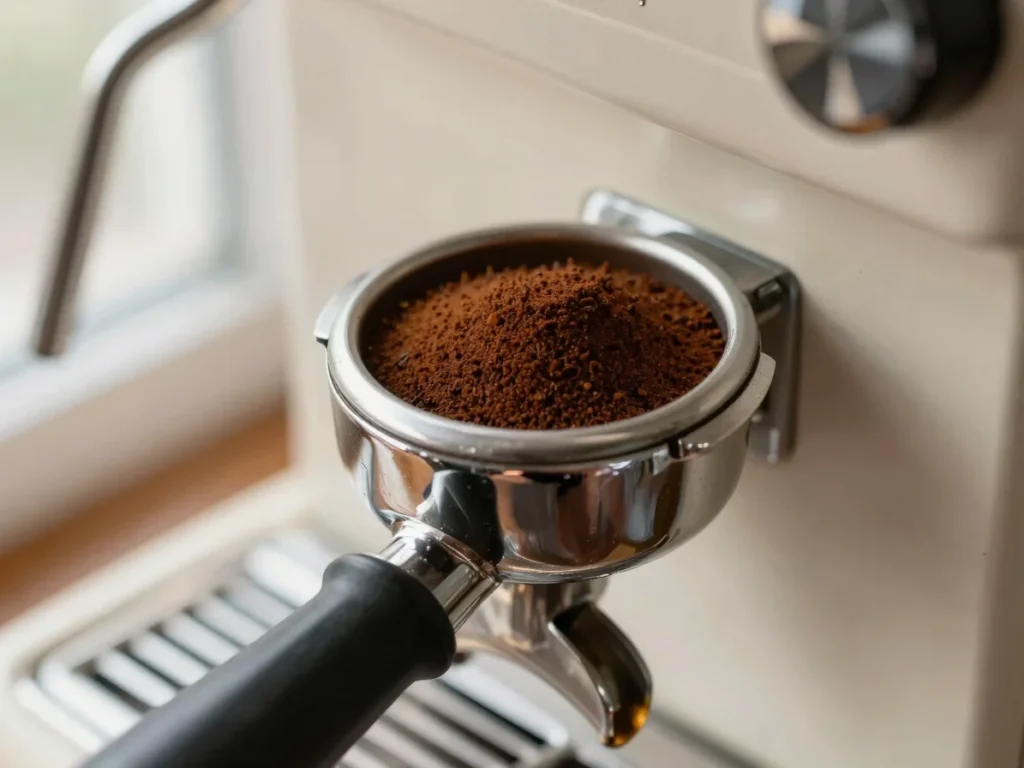
Manual espresso machines

These push hot water through finely ground coffee under pressure. They reward practice with fine control over dose and grind, and they take the most daily attention to clean.

Hands-off brewing

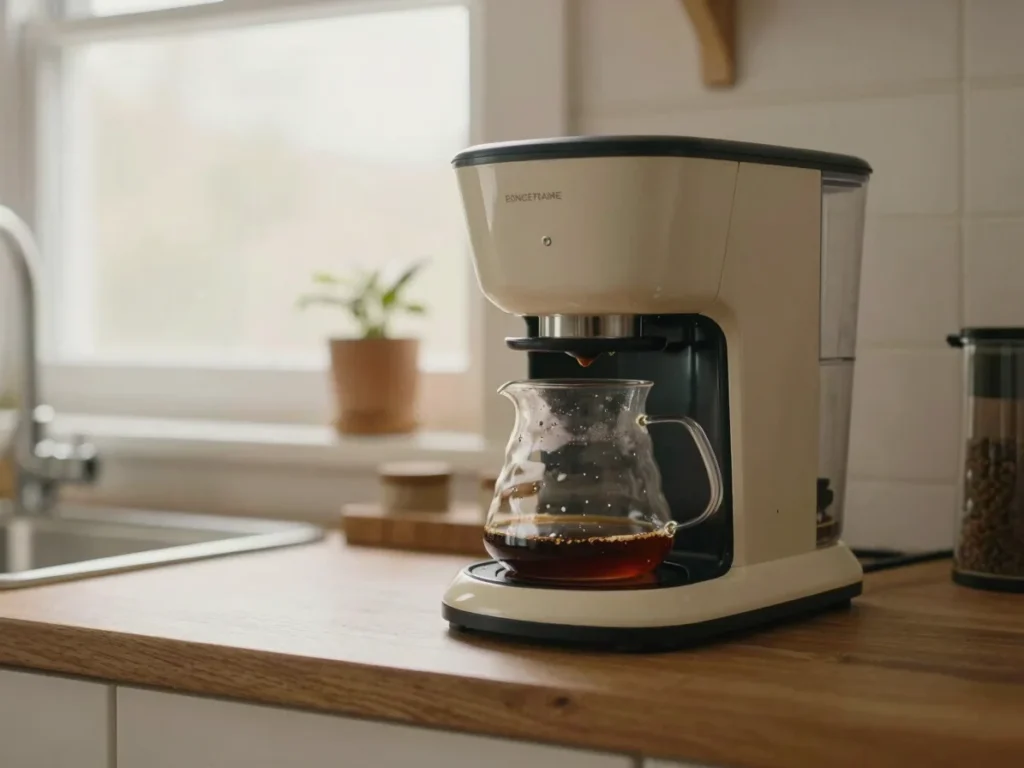
Automatic drip makers

A drip maker heats water and passes it through a paper or mesh filter in one step. It suits a steady daily batch of several cups, with little hands-on work once the carafe is filled.

Immersion brewing

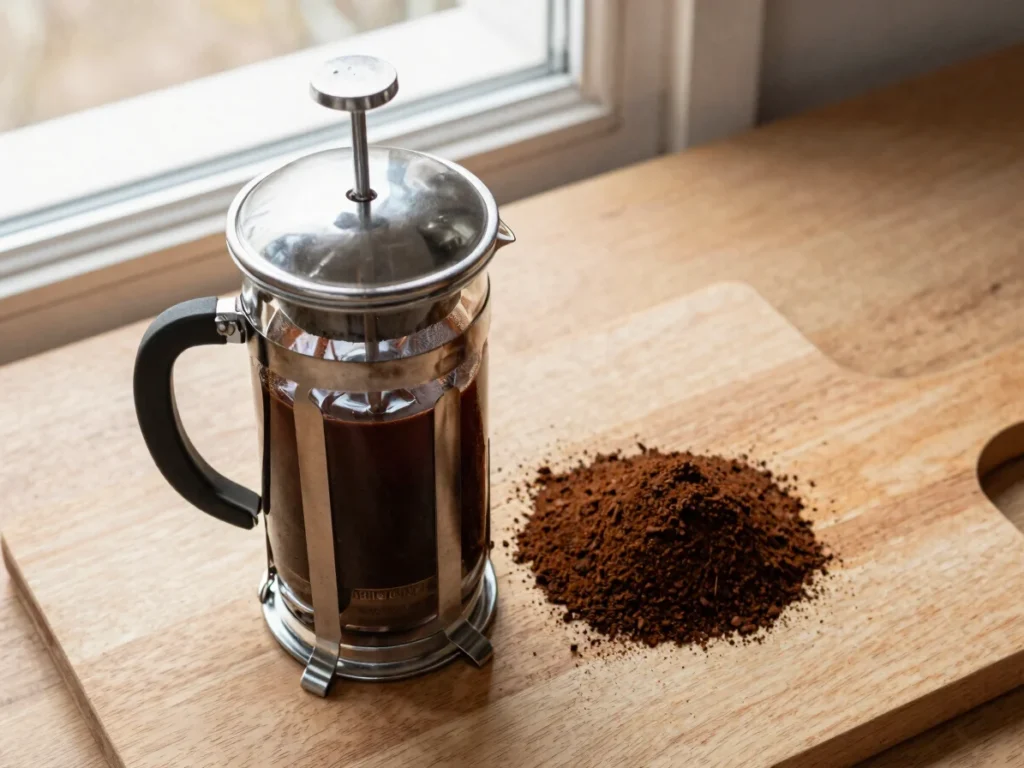
French presses

Coarse grounds steep in hot water, then a metal filter presses them down. The method is simple and needs no electricity, though the sediment in the cup is heavier than a filtered brew.

Manual filtering

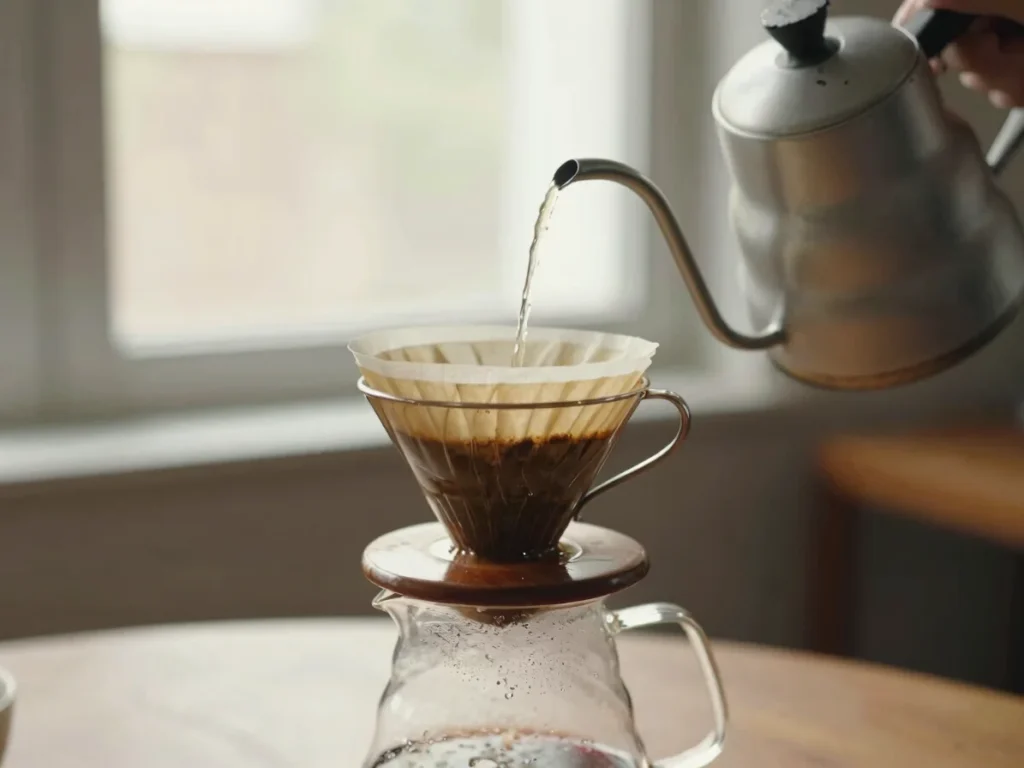
Pour-over devices

Hot water is poured over grounds in a cone or dripper, so you control the pace and the bloom. It is slow to make, inexpensive to own, and easy to clean with a rinse and a paper filter.