Commercial roasters often compete on volume and price, while specialty roasters publish more detail about sourcing and roasting. Both can produce good coffee, so the label is the best place to start comparing them.
Look for a named origin, a harvest year, and a roast date. Consistent roasting matters because it keeps one batch tasting like the last, and fresh beans give clearer flavour than beans sold months after roasting.
Roast level describes how long beans were heated. It shapes acidity, body, and aroma more than origin alone, so compare roasts on the bag before comparing prices.
Light roast
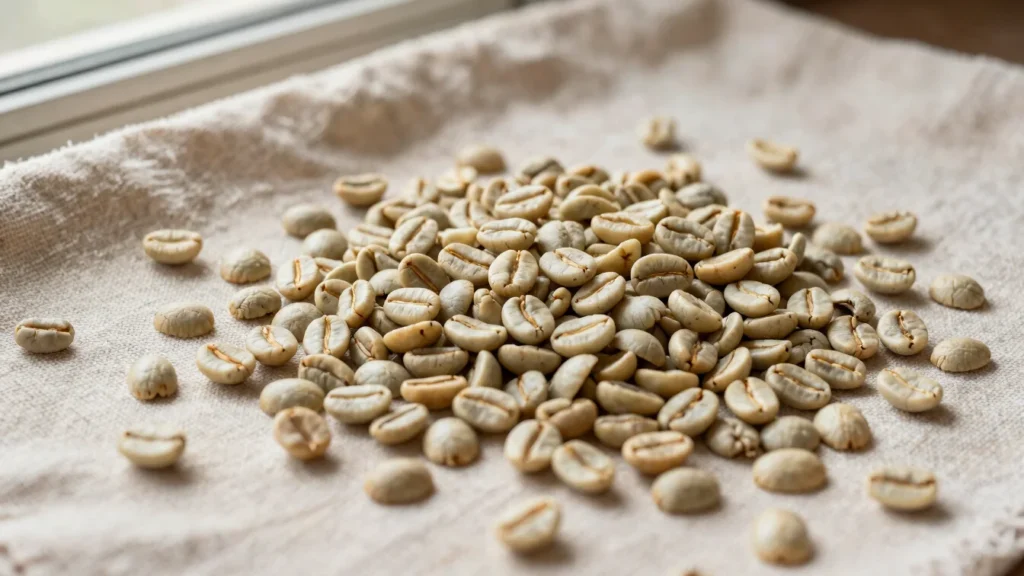
Light roasts keep more of the bean's origin character. Expect brighter acidity, floral or fruity notes, and a lighter body that shows how the coffee was grown.
Medium roast
Medium roasts balance origin flavour with roast sweetness. Many bags labelled as house blends sit here, with moderate acidity and a rounder body.
Dark roast
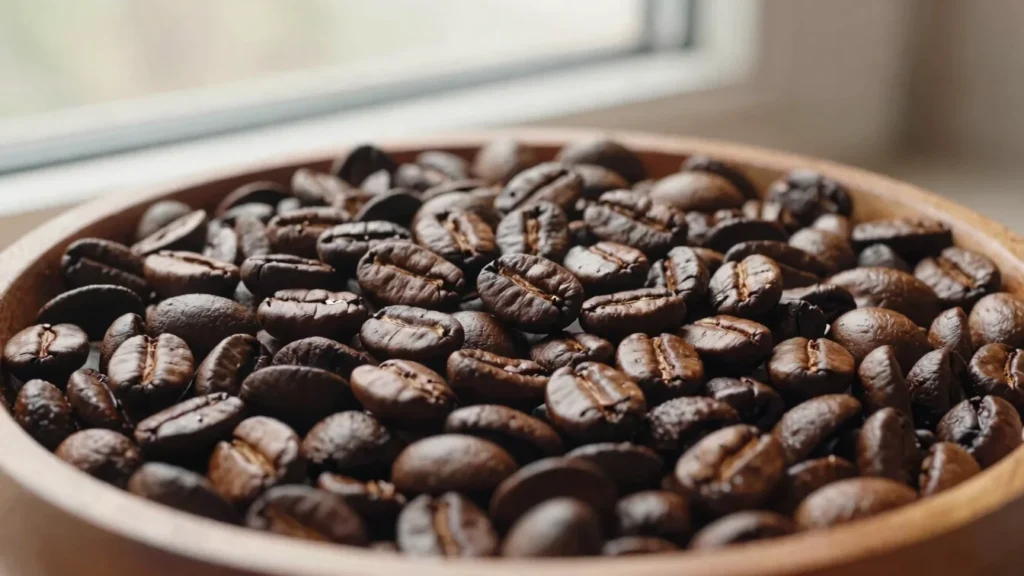
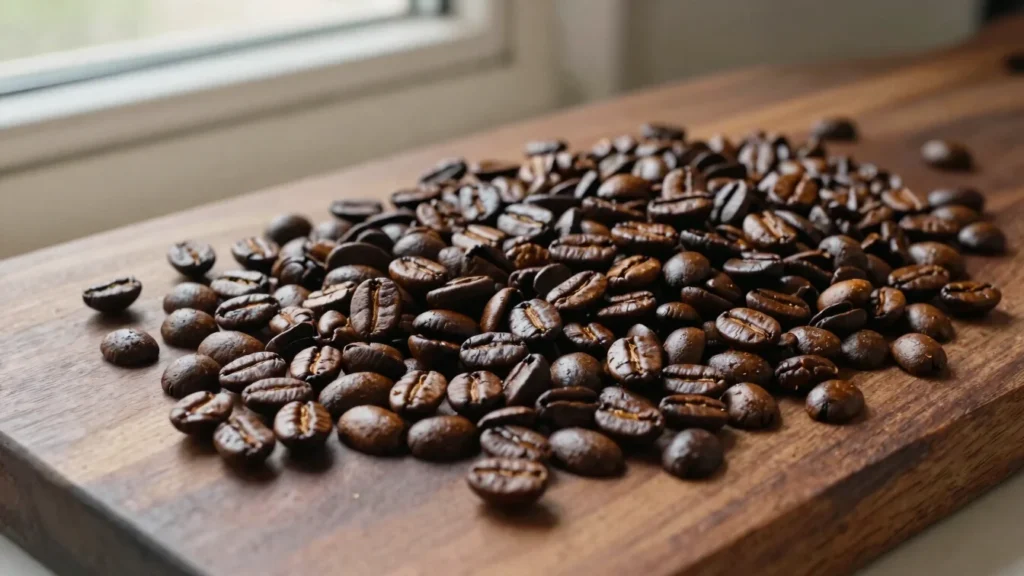
Dark roasts show more roast flavour, such as chocolate and smoky notes, and less origin character. Beans often look oily, and the cup usually has a heavier body.