Cup shape and material change how coffee smells, how hot it stays, and how it feels on the lip. Those details shape how satisfying a cup feels, even when the beans and brew stay the same.
Aroma reaches your nose through the rim, so a narrower opening concentrates scent while a wider bowl lets it spread. Thick walls hold heat longer, and thin walls let the cup cool faster in the hand.
Materials compared
Three cup materials
Each material plays a distinct role. Ceramic is durable, porcelain feels light and refined, and glass lets you watch the coffee color change.
Ceramic mugs
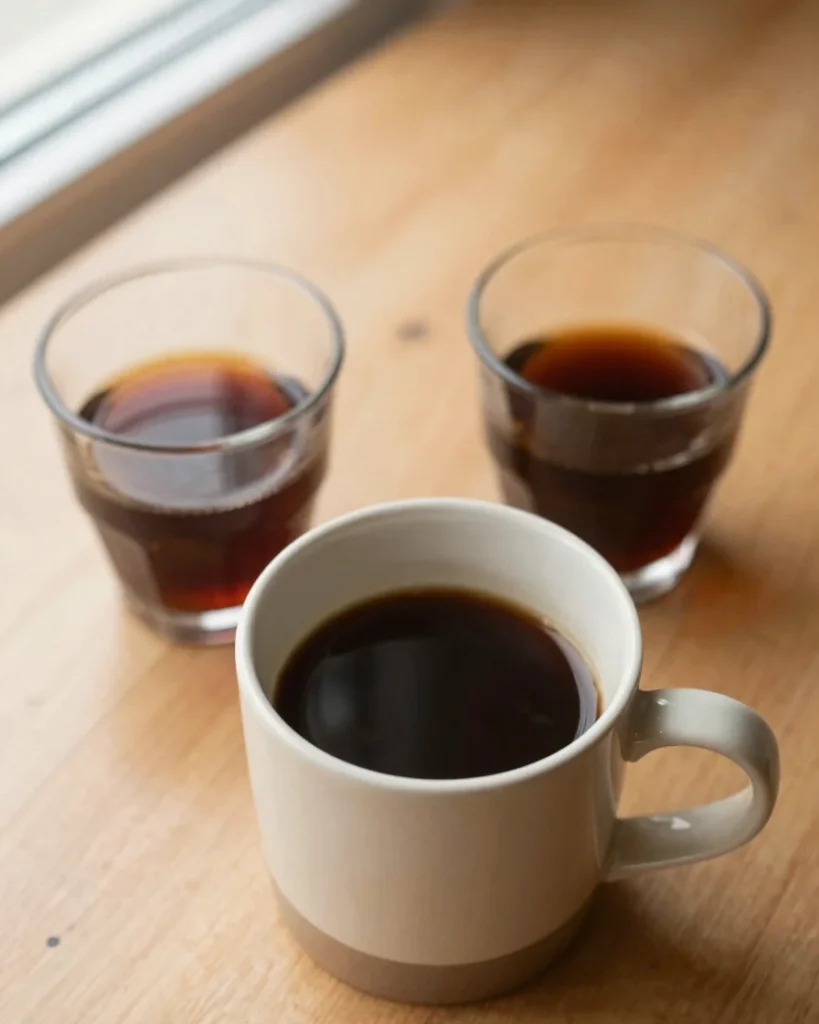
Thick ceramic walls hold heat well and resist chips with daily use. Their wide bodies suit long, slow sips of filter coffee.
Tempered glass cups
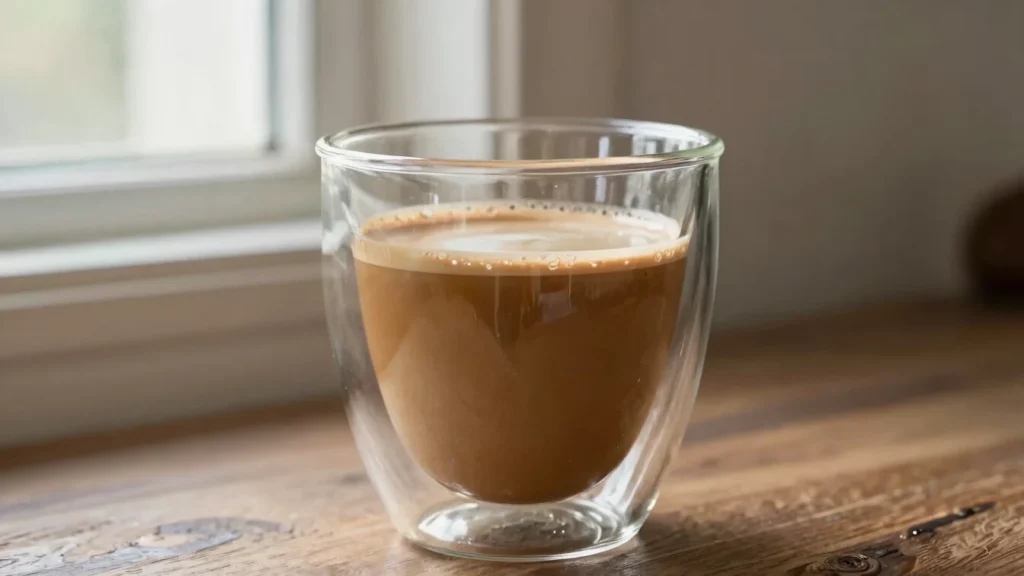
Double-walled glass keeps the outer surface cool while the coffee stays visible. Tempered glass handles hot liquid well and shows layers and color clearly.
Porcelain cups
Fine porcelain has thin walls and a smooth lip that feels light and refined. It cools faster than thick ceramic, so it suits smaller pours.